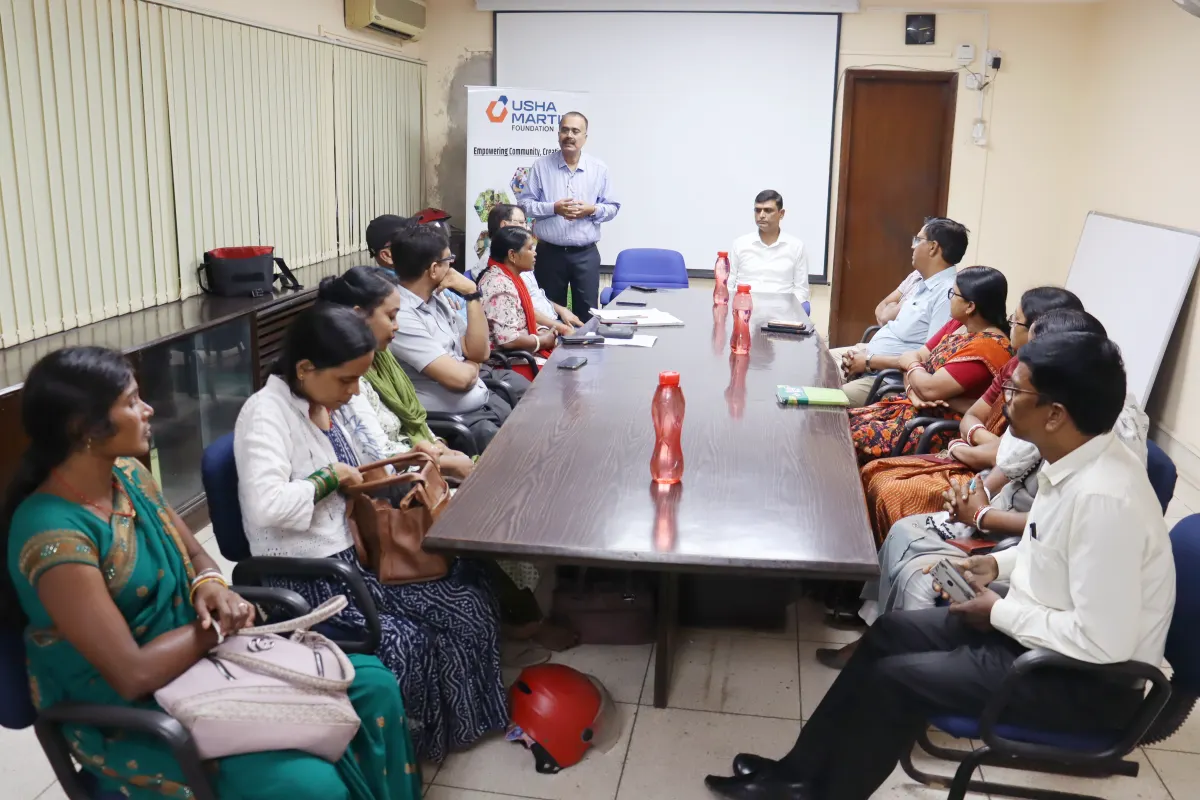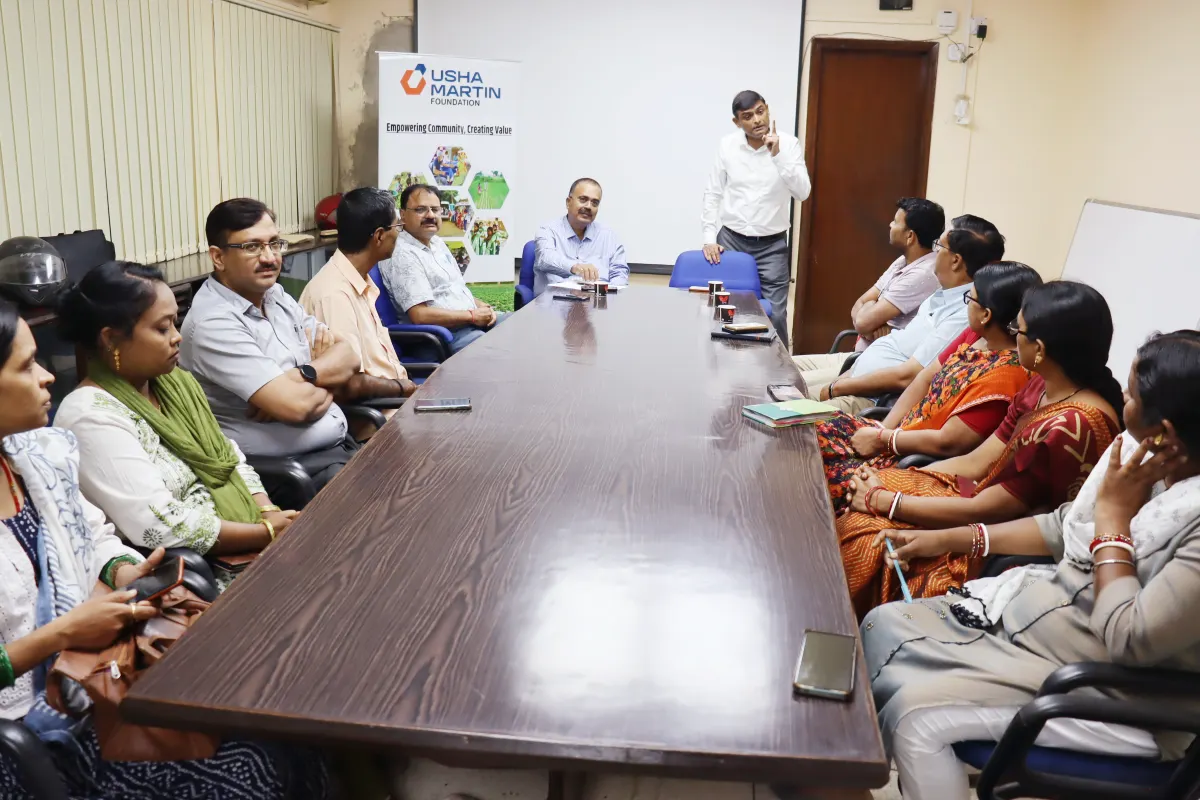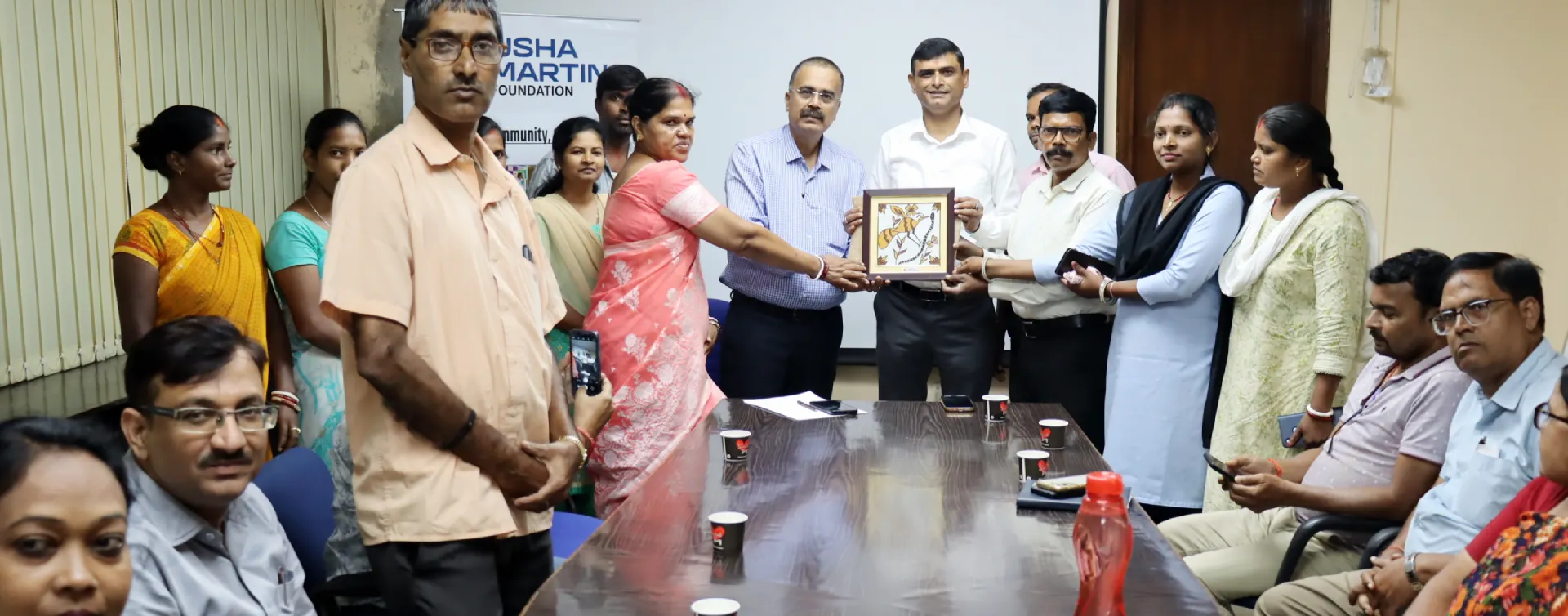
Usha Martin Foundation organised a workshop on the theme “Quality Education” with a focus on “The Role of Social Sciences in Education and Teaching with Creativity and Sensitivity.” The initiative aimed to highlight the importance of holistic teaching methods that go beyond academics to nurture values and responsibility among students.
Speaking at the workshop, educationist Dr. Rajeev Kumar emphasized that a teacher’s role extends beyond knowledge-sharing to shaping the character, discipline, and sense of duty in learners. He encouraged educators to adopt a perspective rooted in India’s cultural ethos. “Success is momentary, but the true essence of life makes a person immortal,” he remarked.
Dr. Kumar further illustrated his point, saying, “Eating food is one perspective, but accepting food as Annapurna (the goddess of nourishment) reflects the Indian way of thinking.” While the Constitution has laid the foundation of a rights-based society, education, he noted, must also inspire the creation of a duty-conscious and value-driven society.
The workshop saw the active participation of teachers from over 15 government and private schools from Tatisilwai and nearby areas, who engaged in thought-provoking discussions around the theme.
Addressing the gathering, Dr. Mayank Murari, General Manager, Usha Martin, said that Indian philosophy views human beings not just as social creatures but as an integral part of existence itself. He urged teachers to embrace the role of an Acharya—a mentor who connects students with this deeper understanding of life.
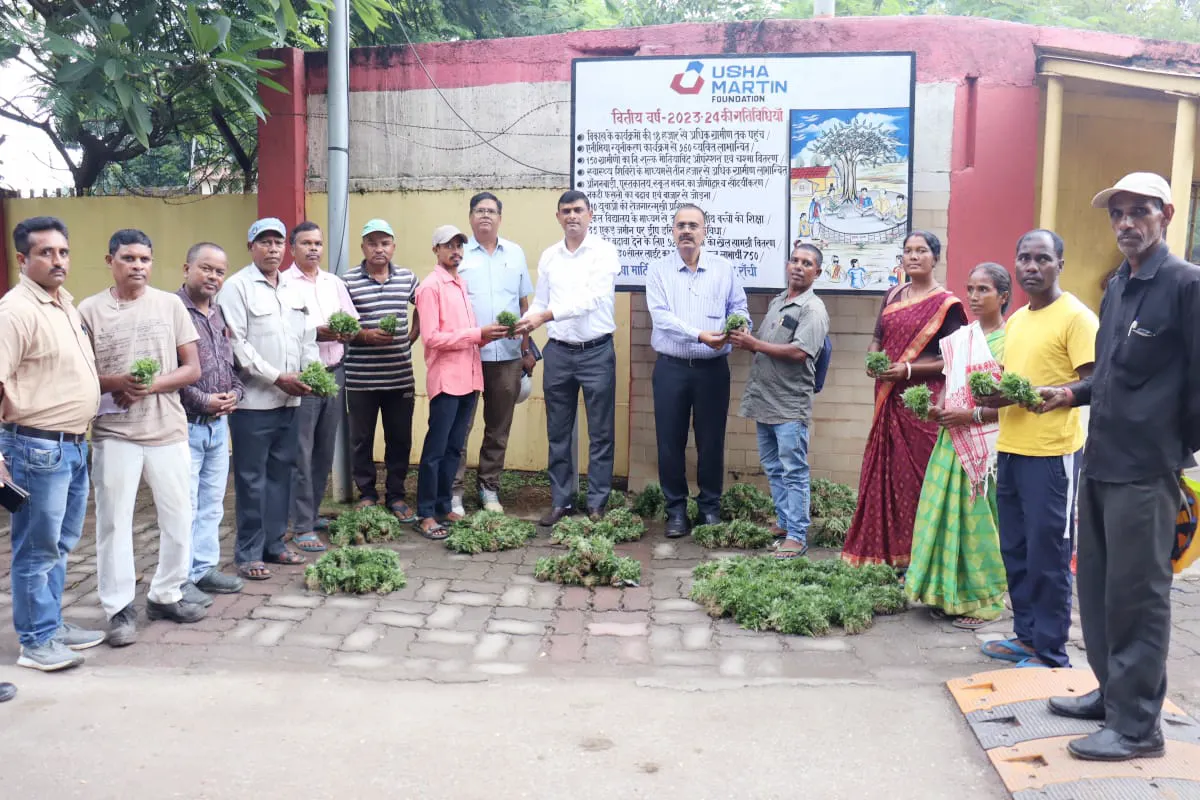
As part of the initiative, Usha Martin Foundation also distributed 14,000 marigold saplings to farmers in the region. This effort was undertaken to encourage agribusiness as a means of livelihood and income generation. Several farmers from the community received the saplings and expressed their appreciation for the support.
Through such initiatives, Usha Martin Foundation continues to contribute towards building a stronger, value-driven education system and empowering local communities with sustainable livelihood opportunities.